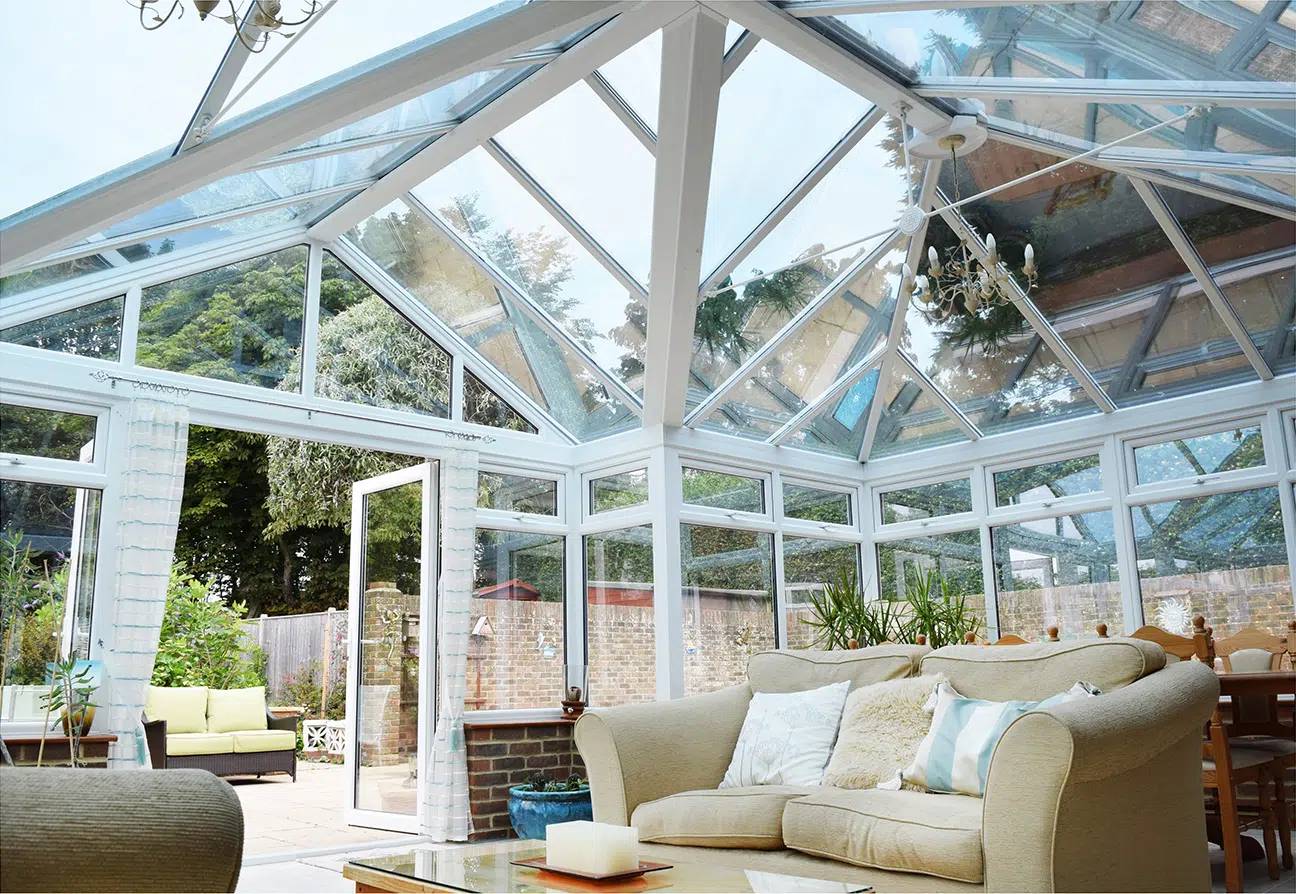
There are several differences between energy-efficient and regular windows. For the most part, these differences are what make the windows energy-efficient, so they are crucial to the design. As a result, when you decide to replace your standard windows with thermally efficient versions you can expect to see these features.

While the majority of regular windows are designed simply for more light and better ventilation, energy-efficient windows aim to achieve the following goals:
- Reducing heat loss from the inside
- Preventing air leakage either inside or out
- Blocking ultraviolet rays from the sun
Here we will explore what makes energy-efficient windows different from regular windows, using the examples of aluminium, steel, uPVC, and timber window frames. Contact us for a free quote on all kinds of energy-saving windows and doors across the south coast of the UK.
What Are Energy Efficient Windows?
Energy-efficient windows are specially designed to reduce heat loss, improve insulation and help maintain a comfortable indoor temperature throughout the year. Unlike standard windows, they typically feature advanced glazing, such as low-emissivity (Low-E) glass, insulating gas-filled panes and high-performance frames that minimise the transfer of heat. By keeping more warmth inside during winter and reducing heat gain in summer, energy -efficient windows can improve comfort, lower heating and cooling demands, and contribute to a more energy-efficient home
Glazing in Energy-Efficient Windows vs Regular Windows
The glazing is the primary difference of an energy-efficient window. Double-glazed windows are fitted with two panes of glass, which will act as a thermal break and boost energy savings. Single-pane windows allow heat transfer from the inside, which means you may have to use more fuel.
The extra layer is beneficial, but the gap between the panes of glass is also filled with inert gas to further boost insulation. Double glazing saves money by using a combination of techniques that help reduce expense on energy bills in the glazing – it does not rely on extra glass by itself.
Any air leakage will be further mitigated by firm seals within the glass, which are usually made with silicone sealants and additional pieces of rubber to prevent thermal transfer. It is possible to add a DIY seal to regular windows too, but this strategy is noted to not be as effective.
Double Glazing
The glazing is the primary difference of an energy-efficient window. Double-glazed windows are fitted with two panes of glass, which will act as a thermal break and boost energy savings. Single-pane windows allow heat transfer from the inside, which means you may have to use more fuel.
The extra layer is beneficial, but the gap between the panes of glass is also filled with inert gas to further boost insulation. Double glazed energy efficient windows save money by using a combination of techniques that help reduce expense on energy bills in the glazing – it does not rely on extra glass by itself.
Any air leakage will be further mitigated by firm seals within the glass, which are usually made with silicone sealants and additional pieces of rubber to prevent thermal transfer. It is possible to add a DIY seal to regular windows too, but this strategy is noted to not be as effective.
Triple Glazing
riple glazing features three panes of glass separated by two insulating air or gas pockets, creating an exceptionally strong barrier against heat loss and external noise. Installing triple-glazed energy efficient windows significantly improves your home’s thermal insulation, making them an ideal choice for north-facing rooms or properties exposed to harsh weather on the south coast. Beyond superior thermal efficiency, the additional pane offers enhanced security and acoustic performance, helping to lower energy bills while maintaining a quiet, comfortable indoor environment year-round.
Low-E Glass
Low-emissivity (Low-E) glass features an microscopically thin, non-toxic metallic coating designed to reflect thermal energy. During the colder months, it reflects heat back into your home to prevent warmth from escaping through the glass. In the summer, it reflects solar radiation to reduce unwanted heat gain inside. By selectively blocking harmful ultraviolet (UV) rays, Low-E glass also helps protect your furniture, carpets, and soft furnishings from fading over time without restricting natural sunlight.
Argon Gas
Rather than relying on ordinary air between the window panes, energy-efficient windows use argon gas to fill the internal sealed gap. Argon is an inert, non-toxic gas that is denser and has a significantly lower thermal conductivity than standard air. By slowing down the movement of heat between the inner and outer glass panes, argon gas dramatically reduces heat transfer, eliminates cold spots, and boosts the overall insulation performance of your double or triple-glazed windows.
Window Energy Ratings Explained
When upgrading your windows, understanding energy ratings helps you make an informed choice for your home’s thermal efficiency. In the UK, energy performance is measured using standardized scales and industry-accredited testing methods that evaluate how well a window retains heat, blocks cold drafts, and utilizes solar energy gain.
BFRC Ratings & The A++ to G Scale
The British Fenestration Rating Council (BFRC) is the UK’s national authority for rating the energy efficiency of windows and doors. Similar to household appliances, window performance is displayed on a clear rainbow scale ranging from A++ (the most efficient) down to E or G.
- A++ and A+ Ratings: Represent top-tier energy performance, often achieved through triple glazing or advanced double glazing with low-E glass and gas fills.
- A-Rated Windows: Considered the industry standard for high-performance home improvements across the UK, balancing excellent insulation with cost-effectiveness.
Choosing BFRC-rated windows ensures that the performance claims are independently verified and compliant with modern UK Building Regulations.
Understanding U-Values
A U-value measures the rate of heat loss through a building material, calculated in Watts per square metre Kelvin (W/m²K). In simple terms, it tells you how much heat escapes through the window glass and frame combined.
- Standard Single Glazing: Typically has a high U-value of around 5.6 W/m²K (allowing significant heat loss).
- Modern Energy-Efficient Double/Triple Glazing: Achieves much lower U-values, often between 1.2 W/m²K and 0.8 W/m²K.
Why Lower U-Values Matter
The lower the U-value, the better the window is at keeping heat inside your property. Investing in windows with lower U-values directly translates to:
- Reduced Energy Consumption: Your heating system doesn’t need to work as hard to maintain a comfortable temperature.
- Lower Heating Bills: Less escaped warmth means noticeable long-term savings on your energy costs.
- Enhanced Indoor Comfort: Eliminates cold spots, drafts, and chilly zones near windows during the colder months.
- Building Regulation Compliance: Ensures your replacement windows meet or exceed the latest strict UK energy efficiency standards.
Frames in Energy-Efficient Windows vs Regular Windows
To achieve a better level of energy efficiency the frame designs and materials are different for energy-efficient windows in comparison to regular windows.
Aluminium frames are another popular type of material, which is used for its strength, looks and because it has a very light weight. As aluminium is a high conductor, it is used with other materials such as wood to reduce the likelihood of any heat transfer. Steel windows are also often used.
Regular windows are much more likely to use timber, but double-glazed timber and other wood-based energy-efficient window products are also available. Frames in regular windows are much slimmer as they do not have the same energy efficiency, which means they have a much smaller profile.
uPVC Windows
uPVC windows are one of the most popular choices for British homeowners looking to upgrade their home’s thermal efficiency. uPVC frames are a common material in double glazing for cost-effectiveness and low conductivity — but rare for single glazing.
Modern energy efficient uPVC windows are designed with multi-chambered internal profiles that trap air, preventing heat from escaping and blocking cold draughts from entering. Unlike traditional materials, uPVC requires virtually no maintenance, will not rot, warp, or rust, and offers outstanding weather resistance against the harsh coastal elements. When combined with modern double or triple glazing, high-performance uPVC frames provide an affordable, durable, and highly thermally efficient solution for any property.
Aluminium Windows
Aluminium windows are another popular type of material, which is used for its strength, looks, and because it has a very light weight. While aluminium is naturally a high conductor, modern manufacturing overcomes this by incorporating advanced thermal breaks—insulating barriers placed within the frame—to prevent heat transfer.
Today’s energy-efficient aluminium windows combine sleek, slimline aesthetics with exceptional thermal performance. They allow for larger glass areas to maximize natural light without sacrificing insulation, making them a durable and stylish option for modern homes across the south coast.
Steel Windows
Steel frames are renowned for their industrial aesthetic, ultra-slim profiles, and unmatched structural strength. Historically associated with single glazing and high heat loss, modern engineering has transformed steel window design.
High-performance energy efficient steel windows now feature advanced thermal break technology and precision seals designed to house double or triple-glazed units. This allows homeowners to retain the iconic, minimalist look of traditional steel frames while dramatically improving thermal retention and reducing energy bills.
Timber Windows
Regular windows are much more likely to use traditional timber, but modern double-glazed timber and other wood-based energy-efficient window products are also available. Frames in older, regular windows are often slimmer as they do not have the same energy efficiency, resulting in a smaller profile that allows heat to escape easily.
In contrast, modern energy efficient timber windows combine natural insulation with advanced craftsmanship. Wood is a naturally poor conductor of heat, making it an excellent natural insulator. When engineered with modern double glazing, high-performance seals, and sustainably sourced timber, these windows provide outstanding thermal efficiency while preserving the authentic charm of traditional and period properties.
What Are the Most Energy Efficient Windows?
The most energy-efficient windows on the market combine triple glazing with Low-E glass coatings, argon gas fills, and thermally broken or multi-chambered frames. This combination achieves the lowest possible U-values (often reaching between 0.8 W/m²K and 0.9 W/m²K), offering maximum protection against heat loss.
To understand what makes a window exceptionally energy-efficient, it helps to look at how these high-performance features work together:
- Triple Glazing with Argon Gas: Three panes of glass create two sealed insulating gaps. When filled with dense argon gas rather than plain air, thermal conductivity is significantly reduced.
- Dual Low-E Coatings: Applying microscopic low-emissivity coatings to multiple glass surfaces reflects indoor heat back into your home while allowing natural light to pass through.
- Warm-Edge Spacer Bars: High-performance composite spacer bars around the perimeter of the glass unit reduce heat loss at the edges, preventing cold spots and reducing condensation.
- Thermally Efficient Frames: Multi-chambered uPVC profiles, sustainably sourced timber, or thermally broken aluminium frames prevent heat from transferring through the window structure itself.
While A++ rated triple-glazed uPVC windows represent the peak of thermal insulation, high-specification A+ double glazing remains an extremely efficient and cost-effective choice for many British homes. Choosing the ideal option depends on your property’s orientation, budget, and local weather exposure along the south coast.
Do Energy Efficient Windows Really Work?
Many homeowners wonder whether energy-efficient windows really make a noticeable difference. In most homes, replacing older single glazing or ageing double glazing with modern energy-efficient windows can reduce heat loss, minimise draughts and create a more comfortable indoor temperature throughout the year.
The biggest improvements are usually seen in older properties where windows have deteriorated seals or poor insulation. While replacing windows alone will not eliminate all heat loss, they form an important part of improving a property’s overall energy efficiency alongside insulation and efficient heating systems.
How Much Energy Do New Windows Save?
Modern thermally efficient windows help reduce the amount of heat escaping through glazing. Although every home is different, replacing inefficient windows can contribute towards lower heating demand and improved comfort throughout the colder months. Exactly how much energy is saved depends on, the age of existing windows, the glazing, insulation and your homes’ heating system.
Can Energy-Efficient Windows Reduce Condensation?
Yes, replacing old or inefficient windows with modern energy-efficient glazing can significantly reduce internal condensation, keeping your home drier and healthier.
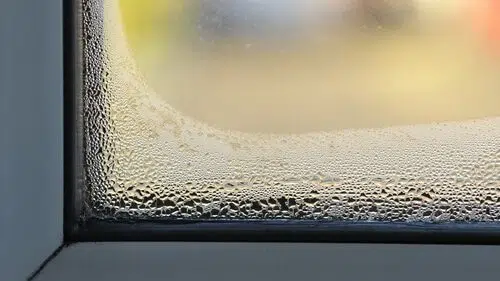
Condensation occurs when moisture-laden warm air inside your home comes into contact with a cold surface, causing the water vapour to turn into liquid droplets. Energy-efficient windows help eliminate this problem in several ways:
- Warmer Internal Glass: Advanced double or triple glazing—equipped with Low-E glass coatings and insulating argon gas—keeps the inner pane of glass much warmer than traditional single or older double glazing. Because the glass stays closer to room temperature, surface condensation is drastically reduced.
- Reduced Condensation and Mould Risk: By minimizing moisture accumulation on window panes and frames, energy-efficient windows help protect your window sills, surrounding walls, and curtains from dampness, timber decay, and toxic black mould growth.
- Identifying Damaged Seals: It is important to distinguish between condensation on the room-side surface and condensation between the glass panes. Water droplets or mist trapped inside the sealed unit indicate damaged or deteriorated seals. When unit seals fail, insulating gas escapes, rendering the window ineffective and requiring unit replacement.
- The Importance of Ventilation: While energy-efficient windows create a tighter air seal to block draughts, adequate home ventilation remains essential. Features such as integrated trickle vents allow controlled airflow, releasing everyday humidity generated by cooking, showering, and drying clothes without compromising your home’s thermal comfort.
Opening & Closing Mechanisms in Energy-Efficient Windows vs Regular Windows
A regular window might have a metal latch or a sash mechanism that opens and closes the window, while energy-efficient windows have seals and padding to prevent air leakage. When you open or close an energy-efficient window you might even hear the air seal being broken.
Energy-efficient windows are generally a bit more secure than regular windows, both because of the additional glass and the extra frame materials. With bigger and more sturdy frames there is also room for larger locking mechanisms, which is important for a window at ground level.
Some energy-efficient windows will use tilt and turn mechanisms that can add the ability to be locked while still providing ventilation. It is also possible for large windows, like picture windows or windows in big commercial spaces like office buildings, to have no opening functionality at all.
Colours & Finishes in Energy-Efficient Windows vs Regular Windows
Steel, aluminium and uPVC windows come in a range of colours to match a building, which is not common in regular window frame materials such as timber that can simply be painted. Steel and aluminium window frames often use powder coating to create a wide range of colours.
Many people choose energy-efficient windows for use on an older or period property, so different colours can help to suit houses and other buildings of historical note. Many conservation areas have strict limits on what is acceptable and in-keeping with the surrounding area.
Finishes on uPVC are not sprayed on but created during manufacture by colouring the plastic. You can get imitation wood grain effects for a uPVC window, which will faithfully mimic the look of a timber window while providing all of the benefits of a more energy-efficient window design.
How Much are Energy-Efficient Windows vs Regular Windows?
Energy-efficient windows typically cost more than standard windows due to the advanced materials and technology used.. Features such as low-emissivity (Low-E) glass, insulated double or triple glazing, gas-filled panes and thermally efficient frames all contribute to a higher purchase price. The overall cost will also vary depending on the window material, size, style and glazing specification.
Although the upfront investment is usually higher, energy-efficient windows can provide long-term value by helping to reduce heat loss, improve comfort and lower the amount of energy needed to heat your home. Over time, this can contribute to lower energy bills while also creating a warmer, less draughty living environment. For many homeowners, the ongoing energy savings and improved thermal performance make energy-efficient windows a worthwhile investment.
FAQ’s
How energy efficient are uPVC wood effect windows?
Modern uPVC wood effect windows offer the exact same exceptional energy efficiency as standard uPVC frames. The authentic timber-grain finish is an exterior foil layer that does not affect the frame’s multi-chambered thermal structure. When combined with double or triple glazing, Low-E glass, and argon gas, uPVC wood effect windows achieve top BFRC ratings (A to A++) and low U-values, giving you the natural aesthetic of traditional wood with all the low-maintenance and thermal benefits of modern uPVC.
How to choose energy efficient windows in the UK?
To choose the best energy-efficient windows for a UK home, consider the following key factors:
- BFRC Rating & U-Value: Look for windows rated A or above and aim for a low U-value (ideally 1.2 W/m²K or lower for double glazing, and below 1.0 W/m²K for triple glazing).
- Glazing Specification: Ensure the glass features a Low-E (low-emissivity) coating and inert argon gas fill between panes.
- Frame Material: Select frame materials—such as multi-chambered uPVC, thermally broken aluminium, or sustainably sourced timber—that suit your property’s style and maintenance preferences.
- Building Regulations: Verify that the replacement windows comply with current UK Building Regulations for energy efficiency and trickle vent ventilation.
How long do energy-efficient windows last?
Yes, timber is a naturally effective insulator with very low thermal conductivity, meaning heat does not easily transfer through the frame. While traditional single-glazed timber windows lost significant heat, modern engineered timber windows fitted with double or triple glazing, high-performance weather seals, and Low-E glass deliver outstanding thermal efficiency while preserving the traditional look of period and conservation area properties across the UK.
Is triple glazing worth it?
Triple glazing is worth the investment for homes exposed to harsh coastal weather, properties with large north-facing windows, or modern eco-builds aiming for maximum thermal retention. It provides around 40% better thermal performance than standard double glazing and significantly improves acoustic insulation. However, for well-insulated properties in milder areas, high-spec A+ double glazing often provides a more cost-effective balance between price and energy performance.
Are energy-efficient windows worth the investment?
Yes, replacing inefficient single or aging double glazing with modern energy-efficient windows is a worthwhile long-term investment. They immediately reduce heat loss, eliminate uncomfortable cold draughts, and lower ongoing heating bills. In addition to financial savings and improved indoor comfort, energy-efficient windows reduce your property’s carbon footprint, mitigate condensation issues, and increase the overall market value and EPC (Energy Performance Certificate) rating of your home.
Why Choose South Coast Home Improvements?
As leading providers of many energy-efficient windows and doors, we understand the intricacies of different types of designs. We have been providing various home improvements for over 40 years and are known as a name you can trust on the south coast of the UK. Get in touch with us for a fast and accurate quote on new or replacement energy-efficient windows today.